In an era dominated by digital media, one might think that traditional print catalogues would become obsolete. However, the tactile allure and substantive presence of print materials mean that catalogues continue to be an invaluable tool in many businesses' marketing campaigns. This article delves into why and how incorporating print catalogues into your marketing strategy can enhance engagement, brand recall, and, ultimately, sales.
Boost Your Sales and Brand Recall: The Power of Integrating Print Catalogues into Your Marketing Strategy
James Winzar • May 3, 2024
Boost Your Sales and Brand Recall: The Power of Integrating Print Catalogues into Your Marketing Strategy!


Why Print Catalogues Still Matter
Enduring Engagement: Unlike fleeting digital ads, print catalogues engage readers for longer periods. They provide a physical form of interaction with a brand, which can significantly enhance recall and loyalty. A well-designed catalogue invites the reader to browse through at their leisure, without the distractions commonly associated with digital platforms.
Multi-Channel Integration: Catalogues can be seamlessly integrated into multi-channel marketing strategies. They bridge the gap between online and offline worlds by guiding customers to websites through QR codes or augmented reality features, creating a unified customer journey that leverages the best of both mediums.
Highly Targeted Marketing: Print catalogues are particularly effective in B2B marketing, where personalised content tailored to specific industries or professional needs can significantly impact purchasing decisions. They allow for complex information to be conveyed elegantly and persuasively, which is often required in business purchasing environments.

Designing Captivating Catalogues
Current Design Trends: To stand out, it’s essential to stay abreast of the latest design trends. This includes the use of bold typography, creative use of colours, and integrating high-quality images that reflect the brand’s ethos. Interactive elements like fold-outs or pop-ups can also add a surprise element that makes your catalogue memorable.
Best Practices in Layout: The layout should prioritise easy navigation and readability while showcasing products in an appealing way. Consistent branding across all pages reinforces identity, and strategic product placement can guide the reader’s journey through the catalogue.
Sustainable Practices and Cost Savings through Digital Print Technology
Advancements in digital printing have ushered in the era of print-on-demand (POD) for catalogues, offering significant environmental benefits and cost savings. Print-on-demand reduces waste by printing only the amount needed, minimising overproduction and excess inventory. This approach aligns with sustainable practices by reducing paper use and the energy consumed in production and storage.
Cost Efficiency: By printing catalogues only as they are required, businesses can avoid the high upfront costs associated with large print runs and the need for storage space. This method allows for frequent updates to catalogue content without the associated financial risk or waste.
Environmental Benefits: Digital print technology not only conserves resources but also supports the use of eco-friendly inks and recycled materials, further reducing the ecological footprint of catalogue production.

Integrating Catalogues with E-commerce Deliveries
An innovative way to distribute catalogues is by including them with e-commerce deliveries. This method ensures that catalogues reach customers who are already engaged with the brand, and it does so without incurring additional postal costs. Including a catalogue in the package can enhance the customer experience, providing a tangible connection to the brand that encourages further purchases.
Measuring Success
To fully understand the impact of your print catalogue, it’s crucial to track its performance through various metrics such as distribution reach, customer engagement through QR codes or URLs, and sales conversions. This data will help refine future editions, making them even more effective.
Conclusion
Print catalogues remain a critical component of comprehensive marketing strategies. They provide a tangible connection to the brand and serve as a powerful tool for standing out in a crowded market. By integrating innovative design, sustainable practices, and modern technology, businesses can create compelling catalogues that captivate and convert.
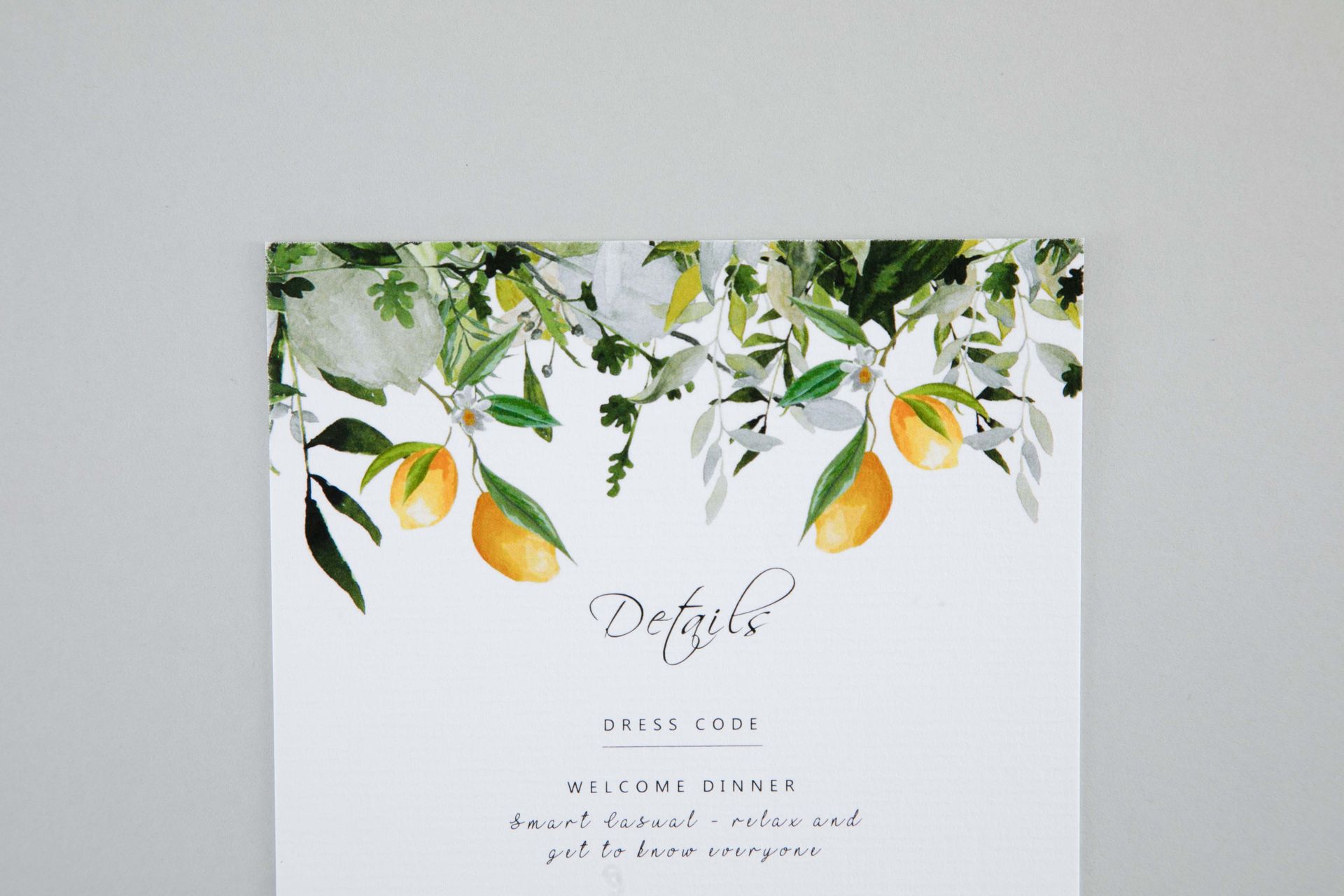
Summer weddings come together in spring. Dates are set, venues are locked in, and stationery decisions move from inspiration folders to print‑ready files. The challenge is knowing what to print, when to order it, and how to keep everything on budget without compromising on feel. This guide lays out clear timelines, typical UK cost drivers, and practical design tips. It also covers eco and tactile stock ideas, how pre‑flight checks protect your artwork, and what to expect for standard and rush lead times. Use it as a checklist you can act on today. If you are still deciding where to print, our Fulham team supports walk‑ins and urgent requests with pre‑flight checks and first‑print quality control. Same‑day or next‑day is often possible when files are ready. What to print and when Think in three stages. Early announcements, formal invitations, and on‑the‑day pieces. Save‑the‑dates: Send 6 to 8 months before the wedding, earlier for destination plans. A6 or DL cards on 300 to 400gsm uncoated stock feel substantial and post well. Invitations and RSVPs: Mail 10 to 12 weeks out. Include main invite, RSVP, details card (travel, accommodation, dress code), and envelopes. Consider a QR code for online RSVPs to reduce admin. On‑the‑day stationery: Order of service booklets, menus, place cards, table numbers, welcome boards, seating plans, bar lists, and small directional signs. Finalise guest names 2 to 3 weeks before the day to allow print and any finishing. If you are running tight, batch in phases. Print the invitation suite first, then menus and signage once final counts are confirmed. Batching reduces waste and keeps costs predictable. Typical UK cost drivers and how to stay on budget Wedding print pricing varies by quantity, paper, format, and finishing. These are the drivers that move costs up or down. Paper weight and grade: Premium uncoated stocks in the 300 to 400gsm range give a luxury feel. Silk and satin‑coated stocks can be slightly more economical and print colour-rich artwork well. Finishes: Foiling, embossing, soft‑touch lamination, and metallic inks add impact but introduce extra steps and time. Use them selectively, for example, on the main invitation only, and keep the rest of the suite clean to balance spend. Sizes and formats: Standard formats such as A6 and A5 optimise sheet usage. Odd sizes can be beautiful, but may increase waste and cost unless planned carefully. Quantities: Per‑unit pricing improves as you increase volume, but ordering far beyond your list leads to waste. Print a 10 percent buffer rather than doubling up. Personalisation: Variable data for names and table numbers is efficient when set up correctly. Provide a clean spreadsheet to avoid amendments mid‑run. Batching: Group items that share the same stock and colour approach. Printing invitations, RSVPs, and details cards together can reduce set‑up time. A practical budget tip: elevate one hero piece, usually the main invitation, and keep support pieces minimalist. The overall suite still reads as premium. Artwork checklist and how pre‑flight protects you A pre‑flight is a technical check that ensures your files are ready for print. It prevents delays and reprints. Use this checklist before you send: Bleed and safe area: Add 3 mm bleed on all sides and keep type within a 3 to 5 mm safe margin. Colour: Set print files to CMYK. If you use spot colours or metallics, label them clearly and supply a reference. Resolution: 300 dpi for images at final size. Avoid upscaling small web images. Fonts: Outline type or embed fonts; include any licensed typefaces if we are assisting with final layout. Black text: Use 100 percent black for small text to avoid fuzzy edges. Overprint and transparency: Flatten transparencies where possible; avoid accidental overprint on light text. File types: PDF/X‑1a or PDF/X‑4 are preferred. If you are working from Canva or a similar tool, export as print‑ready PDF with bleed and crop marks. Our team runs a pre‑flight artwork check as standard, flags issues, and can polish files in person when deadlines are tight. If you want to understand this process or need rapid help, learn more about our digital printing in London approach, including pre‑flight and first‑print checks, on our print services page. Eco and tactile stock ideas, and matching sets Modern eco stocks offer beautiful textures and strong ink hold. Consider: Recycled uncoated papers in 300 to 350gsm for invitations and 115 to 150gsm for inner pages in booklets. Cotton or bamboo‑based stocks with a soft, toothy feel that suits minimalist designs and letterpress‑style layouts. Soft‑touch laminate on silk stocks for menus that need light spill‑protection and a velvety finish. To create a cohesive set, define three constants. Choose one core paper family, one typeface pairing, and a restrained colour palette. Carry these across invitations, order of service, menus, and place cards. You can introduce a single accent technique, such as gold foil on the title line of the invitation and a matching foil monogram on the menu header. If you would like to see and feel options before committing, we can produce samples for non‑urgent projects. For multi‑page pieces such as order of service booklets, see our booklet printing guidance for formats, page counts, and binding options. Lead times and rush options Standard lead times for flat cards are typically 2 to 4 working days from approved artwork. Complex finishes or foil can extend production to 5 to 7 working days. For order of service booklets, allow 3 to 5 working days for digital runs and longer if specialty finishing is required. Rush options are available. Same‑day or next‑day production is often achievable for invitations, menus, and small signage when files pass pre‑flight and stock is on hand. If you are facing a last‑minute gap, our urgent printing London service can advise on realistic timelines and alternatives that protect quality. Paper choices for invitations and order of service Invitations: 300 to 400gsm uncoated or lightly textured papers are a safe choice for a premium feel and crisp typography. Silk stocks support image‑heavy designs and deep colour. For a statement, combine a heavy cover with soft‑touch lamination or a foil accent. Order of service: A5 booklets read well with a 300gsm uncoated cover and 115 to 150gsm uncoated inner pages. Uncoated pages are comfortable to hold and reduce glare during the ceremony. Keep type sizes legible. Body copy at 9 to 10 pt on uncoated stock is comfortable; increase to 10 to 11 pt if your font has a tall x‑height or fine strokes. Pricing context for common quantities Exact pricing depends on materials and finishing. The notes below outline what drives the number rather than fixed figures. 150 invitations: Cost will vary with stock weight, single vs double‑sided print, and any foil or special finish. Standard digital print on a premium uncoated stock is typically more economical than specialty methods and enables faster turnaround. 500 invitations: Per‑unit pricing improves at this volume. Sheet‑efficient sizes and a shared stock across the suite will help. Speciality finishing on all items may stretch timelines and budget, so consider foiling the main invite only. Full suite vs piecemeal: Printing invitations, RSVPs, and details cards together can reduce set‑up costs. Add envelopes, menus, and place cards in a second batch once final numbers are confirmed. For an accurate quote, share your quantity, desired stock, finishing preferences, and deadline. Our team will outline options and a schedule that fits. Where to print wedding invitations in the UK For couples in London, Vizability Media Group offers walk‑in support, pre‑flight checks, samples for non‑urgent projects, and same‑day or next‑day options when needed. Explore our wedding stationery page to see how we handle invitations, booklets, menus, and signage as a coordinated set. If you need rapid help or first‑time guidance, our Fulham print shop is set up for in‑person advice and quick proofs. Quick FAQ Is it cheaper to print my own invitations? Home printing rarely saves money once you factor in premium card, ink, test prints, and time. Professional digital print delivers consistent colour, neat trimming, scored folds, and matching envelopes. If budget is tight, choose a beautiful uncoated stock and a clean design rather than attempting complex finishes at home. How much do 500 wedding invites cost? It varies with stock and finish. A standard digital print on quality uncoated or silk stock is the most cost‑effective. Adding foil, embossing, custom shapes, or duplexing will raise the price and may extend lead times. Ask for options at two or three specification levels to compare value. How much does it cost to print 150 invites? Similar drivers apply. At this run size, digital print is ideal and allows for quick turnarounds and small amends. Keep to standard sizes to optimise sheet usage. What type of paper do you print invites on? Popular choices are 300 to 400gsm uncoated for a tactile feel, or silk‑coated for vibrant images. Textured and cotton stocks add character. We can match envelopes to the chosen paper family. How long do order of services take to print? A typical A5 booklet in digital print takes 3 to 5 working days from approved artwork. Timelines can vary with page count, stock selection, and finishing. Rush options may be available for simple booklets. What is the best paper for order of service? A 300gsm uncoated cover with 115 to 150gsm uncoated inner pages balances readability, weight, and cost. If the service is outdoors or in low light, uncoated pages reduce glare. Where to print wedding invitations in the UK? Couples in London can visit Vizability Media Group in Fulham for in‑person support and rapid production. We offer local delivery and shop collection. Gentle next steps Set your print plan: invitations now, on‑the‑day items after RSVPs. Choose one core stock and a simple finish for a cohesive, budget‑friendly suite. Send print‑ready files early. If you are unsure, request a pre‑flight review and a sample. Ready to move from plan to print? Visit our page for wedding cards in London to see options for invitations, booklets, and on‑the‑day stationery, or drop in to our Fulham shop for guidance and timelines. If your deadline is close, our same day printing in London page explains how we handle urgent work and what we need from you to start within hours. Internal links included: Digital printing in London overview: https://www.vmgldn.com/print Booklet printing guidance: https://www.vmgldn.com/brochures-and-booklets Wedding stationery options: https://www.vmgldn.com/wedding-stationery Same day printing in London: https://www.vmgldn.com/same-day-urgent-print Contact: Vizability Media Group, 731 Fulham Rd, London SW6 5UL Phone: 020 7736 7910 Email: hello@vmgldn.com Your stationery is a reflection of your day. With clear files, the right paper, and a calm plan, print becomes one of the most satisfying boxes to tick. Let us know your needs, and we will get to work.
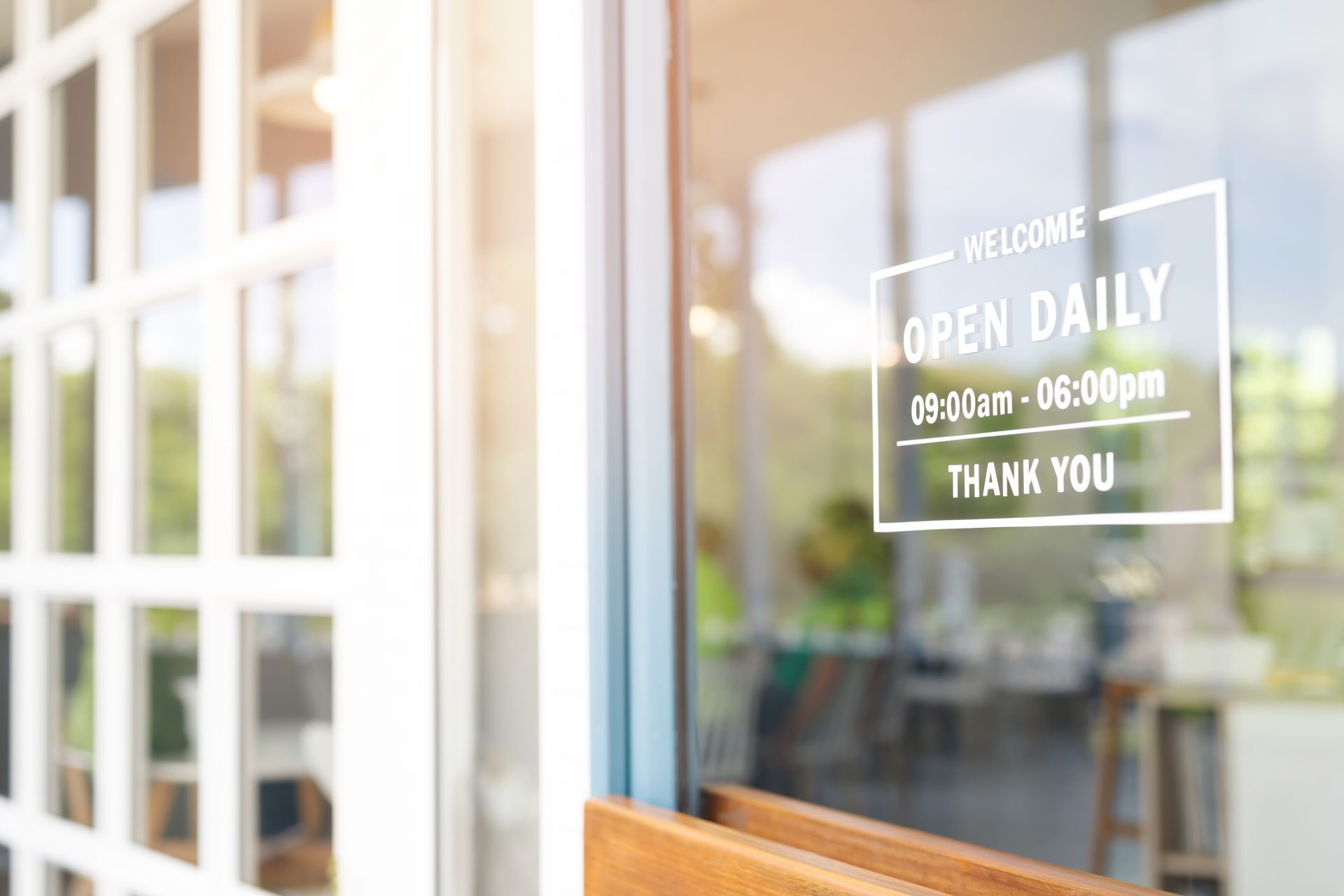
January is the perfect time to refresh how customers find you, enter your space, and move through it. New signage is one of the fastest ways to lift your brand presence without overhauling everything. The trick is choosing the right sign for the job, matching materials to lifespan, and controlling cost from design to installation. Here is a practical guide to help you plan a cost‐smart sign update that looks sharp and lasts as long as you need. Sign types by use case Fascia signs: Your primary shopfront identifier. Box trays, flat panels, or built‐up letters with or without illumination. Ideal when you want visibility from a distance and clear brand recognition. Window vinyls: Great for seasonal messaging, opening times, and promotions. Options include removable low‐tack for quick swaps or cast vinyl for longer runs. Frosted vinyl supports privacy while letting light in. Wall graphics: Transform empty walls into branded space or wayfinding walls. Use self‐adhesive vinyl with laminate for wipeable surfaces, or print on wallpaper for a softer finish in offices and clinics. Directional and wayfinding: Foamex or acrylic panels for internal routes; Dibond for external directions. Consistent typography and iconography keep visitors moving without friction. Health and safety: Durable, clearly legible signs that meet HSE norms. Use laminated vinyls or rigid panels in kitchens, corridors, stairwells, and loading areas. A‐boards and pavements: Quick wins for footfall and offers. Choose sturdy frames with weather‐resistant prints and consider changeable poster inserts to reuse hardware. Costs at a glance: what drives the price? You asked how much custom signs cost, how much a shop sign costs in the UK, and what signs cost for a store. The honest answer, it depends on a few controllable factors: Size and format: Larger panels and complex cuts increase material use and print time. Multi‐panel façades also add alignment and fixing time. Substrate: Dibond, aluminium composite: excellent for long‐term, exterior fascia and external wayfinding. Higher upfront cost, low lifetime cost. Acrylic: premium gloss or frosted look for reception panels and illuminated fascias. Consider stand‐off fixings for a clean finish. PVC/Foamex: lightweight, budget‐friendly for indoor wayfinding and menu boards. Not suited to long, wet outdoor use. Cardboard/Display board: very cost‐effective for short campaigns and POS. Best indoors, short lifespan. Print method and finishes: Direct‐to‐board UV print is efficient for rigid panels. Cut vinyl lettering can be cheaper than full‐coverage print on small fascias. Add laminate for scuff and UV resistance when needed. Installation: Height access, permits, traffic management, or electrical work for illumination raise costs. Straightforward internal installs cost less. Turnaround: Standard lead times are more economical. Rush charges apply when you need it the same day or the next day. Typical guidance for the budget: Simple interior Foamex panels can start from tens of pounds per piece, while a well‐made fascia on Dibond or acrylic with installation can range from hundreds to low thousands, depending on size, illumination, and access. The best route is a quick spec call, then a written quote that aligns material and lifespan to your budget. Planning permissions and landlord approvals in London Do you need planning permission to put up signs? Sometimes. Here is what to check: Location and type: External shop signs usually fall under advertisement consent rules. If you change size, illumination, or position on the street, you may need consent from your local London borough. Listed buildings and conservation areas: Stricter controls apply. Even like‐for‐like replacements can require consent. Illumination: Internally or externally lit fascias often need permission. Check brightness, hours, and power routing. Landlord and lease: Many leases require landlord approval for external signage, window vinyls, and drilling. Allow time for drawings, samples, and RAMS if installing. Building control and highways: Large projections, fixings above public pavements, or installations at height may need additional approvals or timed access. Practical tip: Send photos, rough dimensions, and your proposed position to your signage partner early. You will get a quick read on feasibility and paperwork. Durability vs budget, a simple matrix Short‐term, lowest cost: Cardboard or unlaminated internal vinyl for events, sales, and seasonal windows. Expect days to a few weeks of good condition indoors. Medium‐term, good value: Foamex panels with protective laminate for internal or sheltered external use; PVC banners with hem and eyelets. Lifespan in months with proper care. Long‐term, premium: Dibond panels for exterior fascia and wayfinding; acrylic for premium reception and illuminated signs; cast or polymeric vinyls with laminate for multi‐year shopfronts. Higher start cost, lower replacement frequency. When to choose premium materials: go premium for primary identity points, places with high sun or weather exposure, and any sign that is difficult or expensive to access for replacements. Save budget on changeable messages by reusing hardware, for example snap frames or A‐boards with replaceable inserts. Sample policy for non‐urgent work If timing allows, ask for a material swatch or a printed sample. Samples help lock in colour, finish, and tactile feel, and they prevent costly reprints. For complex fascias, a scaled mockup and a small colour proof are sensible. For window vinyls, a test patch confirms adhesion and removal behaviour on your glass. How consultative guidance lowers lifetime cost Material choice, laminate type, fixings, and install timing all affect how long your signs last. A consultative approach aims to: Right‐size the spec: No over‐engineering for low‐risk interiors; no under‐spec for sun‐exposed south‐facing windows. Reuse where possible: Choose systems that let you swap graphics while keeping frames and mounts. Reduce reprints: Pre‐flight checks catch file issues. A first‐print inspection verifies colour and legibility before full run. Plan installs: Dry days for external adhesive work; correct primers on tricky surfaces; safe access booked to avoid delays. This is how you save in the long run, even if the unit price is not the cheapest on day one. Quick answers to common cost and supplier questions How much does it cost to make custom signs? It varies by size, substrate, finish, and installation. Budget small interior panels from tens of pounds, multi‐panel fascias from hundreds to low thousands. How much does a shop sign cost in the UK? A flat, non‐illuminated fascia on Dibond is commonly in the mid hundreds to over one thousand for typical high street widths, with installation and access as key variables. Illumination and built‐up letters increase cost. How much do signs cost for a store? Interior wayfinding and health and safety panels are cost‐effective in Foamex; expect a modest spend per panel. Feature walls and reception acrylics cost more due to materials and fixings. Do you need planning permission to put up signs? You may, especially for illuminated or external signs, listed buildings, or conservation areas. Always check with your local council and your landlord before production. Which company is best for printing? The best partner is the one who balances speed, clear guidance, and quality control. Look for in‐house production, pre‐flight checks, and a willingness to advise on materials to match your goals. Need cost‐smart signage in London? If you are planning a January refresh, a quick call and site photos will unlock a clear, itemised plan. Our team in Fulham provides consultative scoping, pre‐flight checks, material samples for non‐urgent work, and rapid production when deadlines are tight. We install across London and coordinate delivery or collection to suit your schedule. You can learn more about sign options and materials under London shop signs, see our broader print capability under digital printing in London, or use urgent printing London if you are working to a tight deadline. Summary: Choose sign types by purpose, pick materials to match lifespan, check permissions early, and use samples when time allows. With a consultative approach to specification and installation, you will reduce total cost and get a crisp, consistent brand presence across your fascia, windows, walls, and wayfinding. For quotes or guidance, send your brief and photos to hello@vmgldn.com or call 020 7736 7910. We will help you plan, print, and install on time and within budget.
Your Last‑Minute London Print Lifeline: Same‑Day And Fast Turnaround Options That Still Look Premium
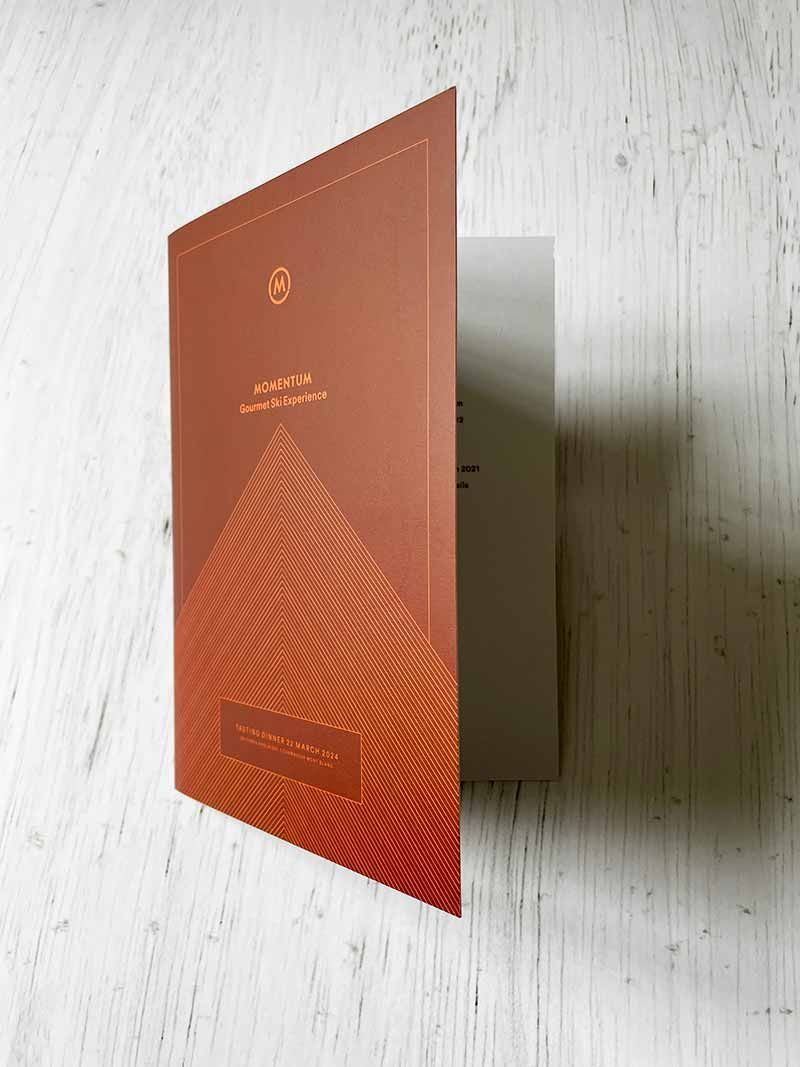
If you're in need of high quality urgent printing, you are not alone. Autumn/ Winter in London is packed with launches, pop-ups, conferences, and campaigns. Deadlines tighten, artwork lands late, and plans change. You still need print that reflects well on your brand. That is where a calm, quality first, in house partner makes the difference. At Vizability Media Group, we keep production under one roof, run pre-flight artwork checks, and guide you on materials and finishes that meet the time and the budget. Below, you will find realistic timelines, smart shortcuts, and what to send us so we can get moving right away. Same day vs next day, and how to decide fast! Pick Same Day Turnaround when: Your event or activation is today or tomorrow morning. Quantities are modest, and formats are suited to digital presses or instant finishing. Artwork is press-ready, already proofed internally, and you can approve quickly. Pick Next Day Turnaround when: You can approve by mid-afternoon, and delivery or collection can happen tomorrow. You need higher quantities, special finishes, or stitching that add time. You want a little breathing room for a printed proof photo from our first sheet. Typical cut-off times: Same day print, artwork sign off by 11:00 to 12:00 for late afternoon or early evening collection. Next day print, artwork sign off by 15:00 to 16:00 for next business day collection or courier. For larger or complex jobs, call us early; we will map the fastest path. Artwork that helps us hit the clock: Supply print-ready PDF/X 1a or PDF/X 4; include 3 mm bleed and crop marks. Embed or outline fonts; keep images at 300 dpi at final size. Use CMYK, not RGB; include spot colours only if required. Provide a short note on the finish and orientation to avoid back and forth. If you are unsure, send what you have. Our pre-flight check catches common issues, and we will confirm the fastest fix :-) Realistic timelines by product Times below assume press-ready files and swift approvals. For very large quantities or special materials, we will advise the best alternative. Posters, A4 to A0: same day for short runs, often within 4 to 6 hours. Larger runs or outdoor stock, next day. For direct ordering, see our poster printing in London. Flyers and handouts: same day for digital runs up to a few thousand; next day for heavier stocks or laminates. Folded flyers may move to next day due to crease and fold time. Roller banners: same day for single units and small batches if artwork lands by noon; next day for larger sets. We assemble in house to control finish. Brochures and booklets: next day for short runs with staple binding; same day only for very small page counts and quantities. Perfect binding usually needs 2 to 3 days. Name badges: same day available, including data merges from CSV; we can supply lanyards and holders. For speed, use our london fast name badge printing service. Small signage and foam board: same day for core sizes; next day for contour cutting or special finishes. Vinyl cut or mounted pieces may extend slightly. If your list spans multiple items, we can stagger output, releasing must have pieces first, then the rest on a rolling schedule. How pre flight artwork review protects speed and quality Rushing without checks costs time. Our pre-flight process verifies bleed, resolution, colour mode, page size, layers, and font handling before we press go. If we spot a risk, we share a quick fix, correct it if you approve, or suggest a safe alternative that meets the deadline. We also run a first print check, share a photo or a quick video if you need reassurance, and watch for issues like cracking on heavy inks at folds. This prevents reprints and avoids overnight delays. For local teams under pressure, our artwork preflight service in Hammersmith outlines what we look for and how to submit files quickly. Cost control tips for rush jobs Time and budget can work together if you make a few smart swaps. Paper swaps: move from a 450 gsm board to a 350 or 300 gsm that creases cleaner in a rush, or switch silk to uncoated to avoid laminate lead times. Finish alternatives: skip spot UV or foils on a rush, and use a silk with matt laminate, or go unlaminated for flyers that need to land today. Gang runs and batching: combine multiple versions on one sheet to reduce set-up time, or split a big run into a same-day partial plus a next-day balance. Format tweaks: shaving a few millimetres to fit standard SRA sizes can speed trimming and reduce waste. Colour management: Stick to CMYK builds rather than special colours unless brand rules are strict. This keeps you on a fast digital path. If you tell us the purpose of the piece, we will recommend the best material for the job, and the most efficient route to press. Collection and delivery across London zones You can collect from us, or book a courier. We support: Same-day collection from our Fulham and Hammersmith locations by arrangement. Local courier to Zones 1 to 3 with timed windows where possible. Late-day or evening bike or van delivery for urgent drop-offs. Next day, nationwide couriers for jobs leaving London. When time is tight, collection is the fastest. For delivery, share access details and contact numbers. We label boxes clearly and can split drops if needed. Quick answers to common questions Where do I print if I do not have a printer in the UK? Use a trusted local print partner with in house capability. Walk ups at copy hubs can work for simple documents, but for branded work, same day quality needs proper presses and checks. We help visitors and teams on the road every week. What is the best online printing service? The best service is the one that balances speed, quality, and real human checks. If you need speed plus premium finish in London, an on the ground partner beats a remote online only portal, because artwork issues get solved in minutes, not days. If you have time, online aggregators can be fine for standard items. For urgent printing london, we keep production in house. Can I print documents at supermarkets or the post office? Some supermarkets have kiosks for photos or simple documents, and some post offices offer copying. They are useful for one off pages. For colour critical brand materials, large formats, or anything client facing, use a specialist. Why are prints so expensive in London? Costs reflect high-quality materials, skilled operators, city logistics, and the real price of rush work. Urgent jobs require set up time outside standard queues, premium couriers, and extended staffing. A good partner offsets this with efficient imposition, paper choices, and batching, so you pay for impact, not waste. How can I spend less on printing costs? Simplify finishes, choose standard sizes, use stocks that trim without laminate, and approve proofs quickly. Share your intended use so we can suggest equivalents that look the part but run faster. Ordering a partial same day, with the balance next day, often saves significantly. Why choose VMG for fast, premium results In-house presses and finishing for speed and control. Pre flight checks that remove risk before it slows you down. First print review, with quick photo proofs for peace of mind. Practical guidance on stocks and finishes that fit your timeline. Flexible logistics, from late collections to multi site drops. If you need posters in london today, brochures printing london this week, or last minute badges for a conference, we will map the fastest, safest route and keep you updated at every step. Ready to move Send your files and the deadline. Tell us where it needs to be and how it will be used. We will confirm timeline, materials, and cost, then get to work. For urgent bookings, call us now or use the enquiry form on our site. If it has to be today, say so in the subject line. We will prioritise and respond quickly.