Is Tech on Print Just a Gimmick or Actually Useful?

James Winzar • September 24, 2024

Ranking The Good, The Bad & The Ugly!
Our Review Print Marketing Digital Technologies

The fusion of print marketing with digital technology has brought about a wide variety of tools. Some have seamlessly integrated into modern campaigns, while others have felt more like fleeting gimmicks. Here’s a split list of the technologies that have proven effective versus those that have missed the mark.

The Good: Print-Linked Technologies That Work:


  1. Promo Codes
  2. Social Media Handles and Hashtags
  3. QR Codes
  4. Landing Pages
  5. Variable Data Printing (VDP)
  6. App Downloads


The Bad: Print-Linked Technologies That Miss the Mark:


  1. Bluetooth Beacons
  2. Near Field Communication (NFC)
  3. Voice-Activated Technology
  4. Augmented Reality (AR)
  5. Interactive Business Cards
  6. PURLs (Personalised URLs)


Not all technologies integrate seamlessly with print. While tools like QR codes, promo codes, landing pages, and social media handles have proven their worth and are widely used, others like NFC, Bluetooth beacons, and voice-activated tech remain more gimmick than practical marketing tools


The Good: Print-Linked Technologies That Work, Here's Why...

1. Promo Codes = Score: 9/10

Why It Works:
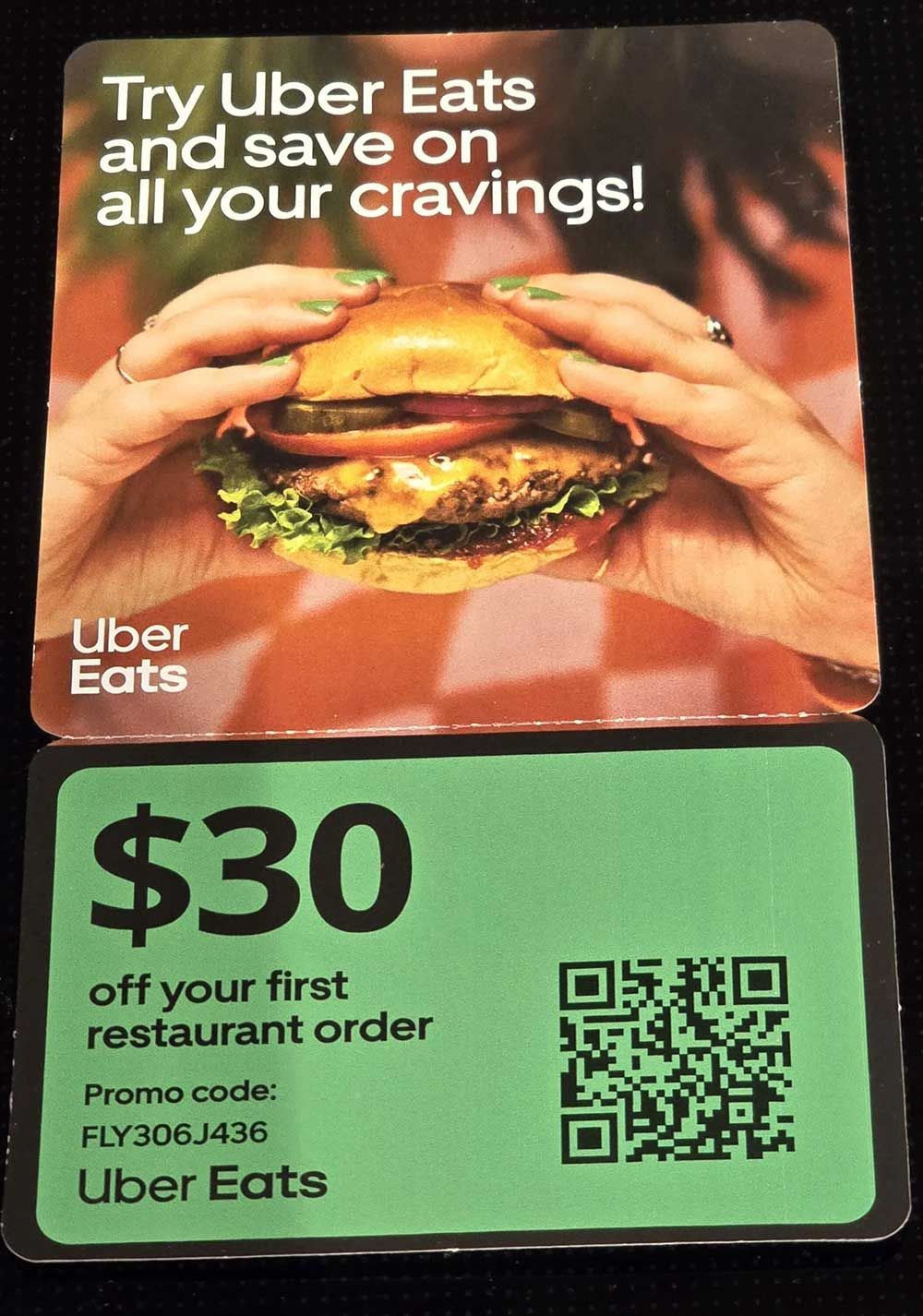
Promo codes have been around for a long time, and for good reason. They’re simple, effective, and easy for customers to understand. Whether printed on a flyer or a receipt, they encourage people to take immediate action online.

- The Catch:
There’s little to fault here. Promo codes are a staple in print-to-digital campaigns, offering a reliable way to track conversions.

  • Example: UberEats placed promo codes in flyers distributed during events, encouraging users to redeem discounts via the app for their first food delivery.


2. Social Media Handles and Hashtags = Score: 9/10
Why It Works:
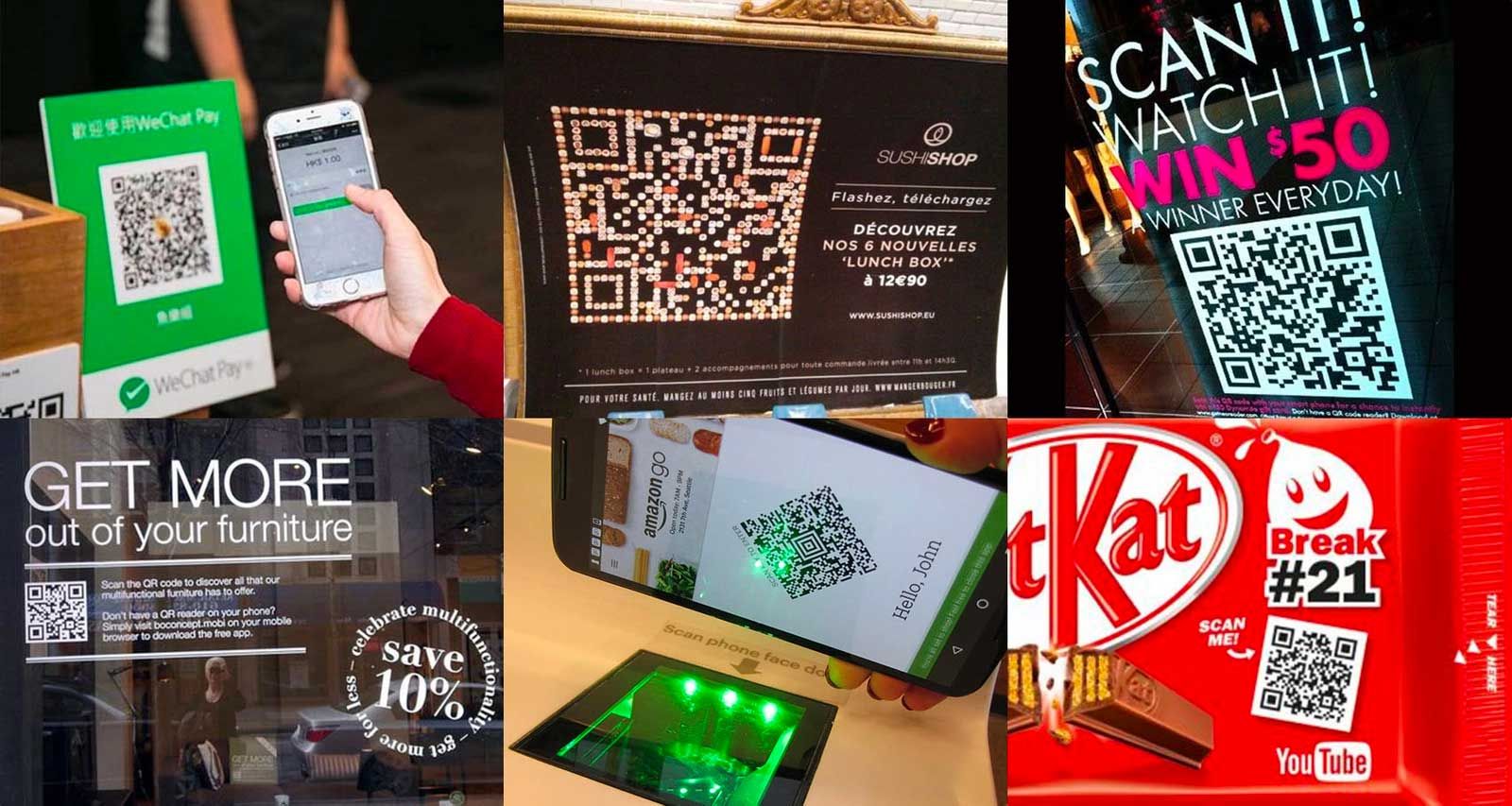
Including social media handles or hashtags on print materials is a low-cost way to encourage digital engagement. People know what to do when they see them, and they’re easy to integrate into larger campaigns.

- The Catch:
If the call to action isn’t strong, hashtags can feel overdone. With so many hashtags out there, your campaign needs to offer something unique to drive real engagement.

  • Example: Coca-Cola printed #ShareaCoke on bottles, encouraging customers to post photos of their personalised bottles on social media, leading to massive user-generated content.


3. QR Codes = Score: 8/10

Why It Works:
QR codes are a great bridge between print and digital. Thanks to smartphones automatically recognising them, they've made a big comeback, especially during the pandemic. They offer convenience, allowing users to instantly access websites, apps, or promotions.

- The Catch:
Despite their rise in popularity, QR codes can still be underutilised if there’s no strong reason to scan them. Without a compelling CTA, they risk being overlooked.

  • Example: John Lewis created custom QR codes on their Christmas catalogues that when scanned, took customers to an interactive online gift guide, showing availability and pricing updates in real-time.


4. Landing Pages = Score: 8/10

Why It Works:
Landing pages tied to print materials can be highly effective for driving conversions. They allow businesses to track engagement, especially when paired with QR codes or memorable URLs.

- The Catch:
The main challenge is making the URL easy to access. If consumers have to manually type it in, it can create unnecessary friction.

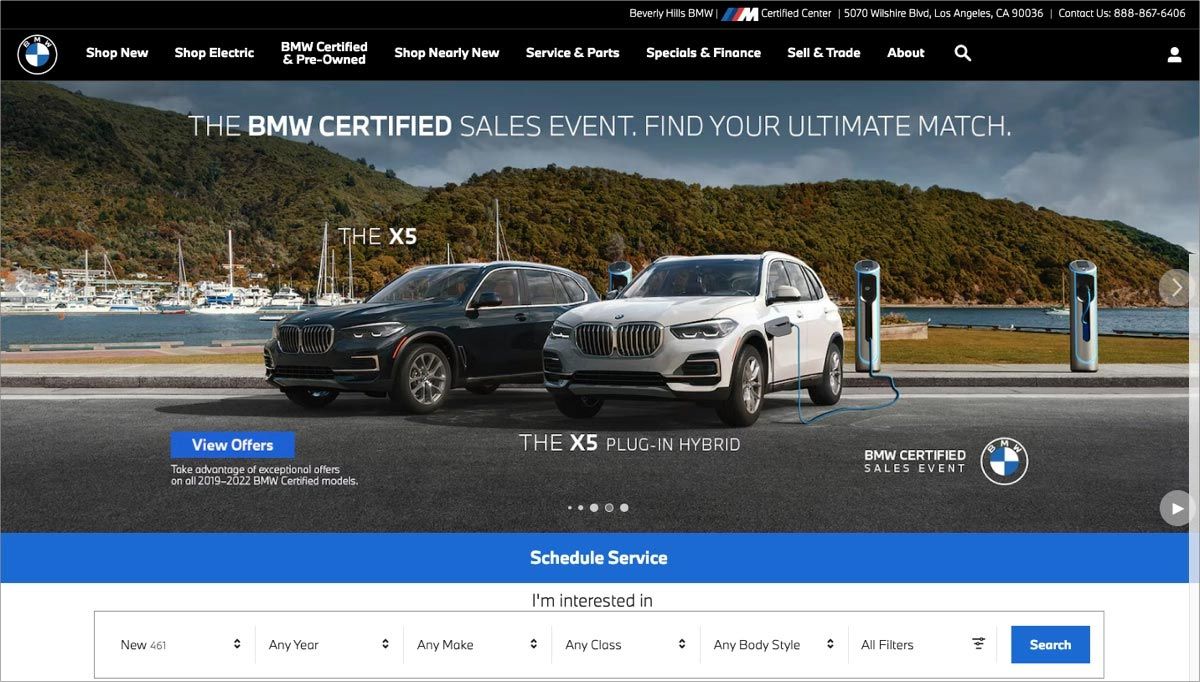
  • Example: BMW’s print ads often include a URL directing users to a landing page where they can explore features of a specific car model, view videos, and schedule test drives.


5. Variable Data Printing (VDP) = Score: 7/10

Why It Works:
When done right, VDP allows for high levels of personalisation, making customers feel like the campaign is tailored specifically to them. It’s a powerful tool for brands with the budget to execute personalised direct mail campaigns.

- The Catch:
VDP is expensive and complex to scale, making it impractical for smaller campaigns or businesses. Without a clear return on investment, it can feel like overkill for general marketing efforts.

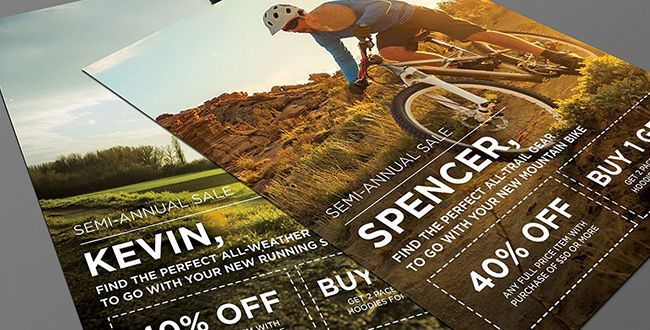
  • Example: Evan Cycles used VDP in direct mail to create personalised offers using their names in the headlines.


6. App Downloads = Score: 7/10

Why It Works:
Print materials can be an excellent tool for encouraging app downloads.. By including a clear CTA to “Download our app” and using QR codes to direct users straight to the app store, you make the process easy and frictionless. Whether on product packaging, flyers, or event materials, print can play a key role in boosting app adoption.

- The Catch:
For app downloads to be effective, the value proposition needs to be clear. If users don’t see a compelling reason to download the app, such as exclusive content, discounts, or features, they may not be motivated to take the next step.

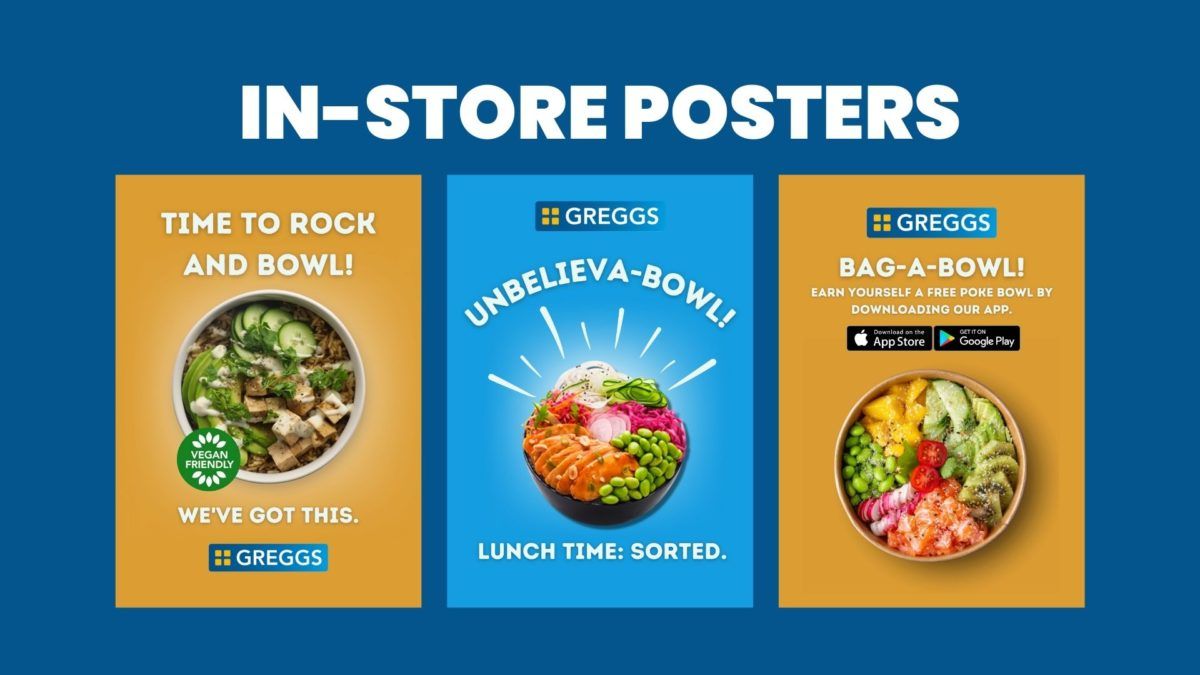
  • Example: Greggs used print ads to encourage users to download their mobile app, offering loyalty rewards points for customers who scanned receipts and accessed offers directly through the app.


The Bad:
Print-Linked Technologies That Don't Really Work, Here's Why...

1. Bluetooth Beacons = Score: 3/10

Why It Fails:
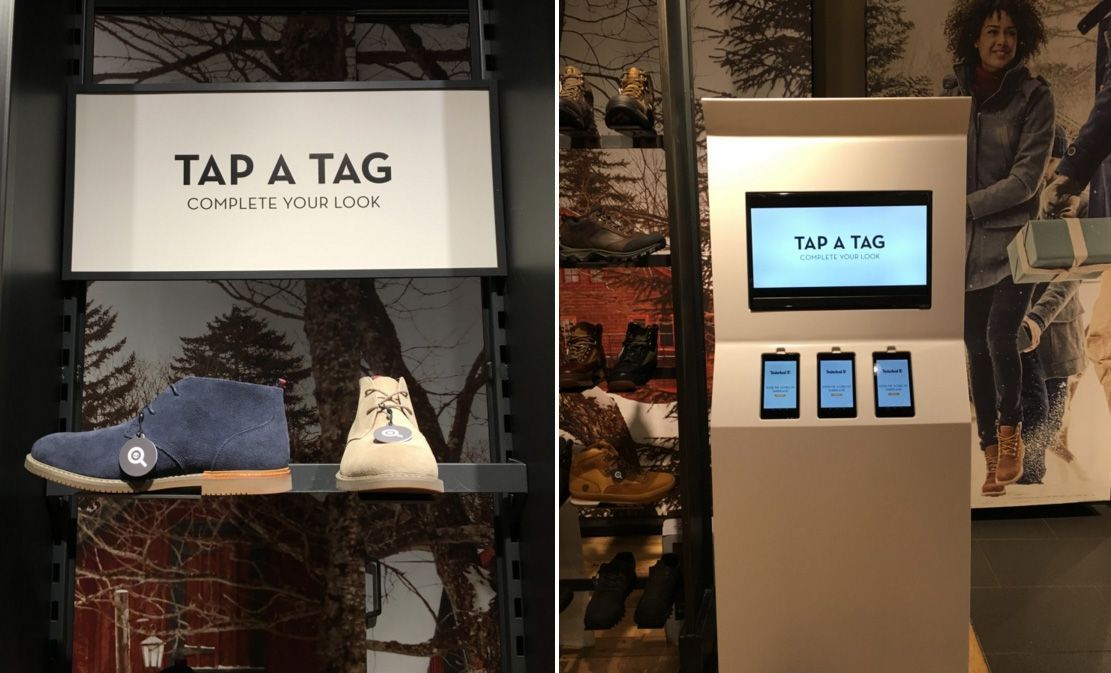
Bluetooth beacons sound like a futuristic way to interact with print materials, but they come with too many barriers. Requiring proximity, permissions, and sometimes special apps, they rarely fit seamlessly into campaigns.

- The Catch:
Most consumers aren’t going to expect their phone to interact with a print ad via Bluetooth. It’s an over-engineered solution that hasn’t found a real market need.

Bluetooth Beacons

Example: Timberland used Bluetooth beacons in their stores to send notifications with personalised promotions to customers’ smartphones when they were near specific in-store displays.


2. Near Field Communication (NFC)= Score: 4/10

Why It Fails:
NFC works well in contactless payments but hasn’t found a solid place in print marketing. Tapping your phone on a printed piece to access more content feels unnatural and is rarely adopted by consumers.

- The Catch:
NFC in print is clunky and unnecessary, especially when QR codes offer a simpler and more familiar solution.

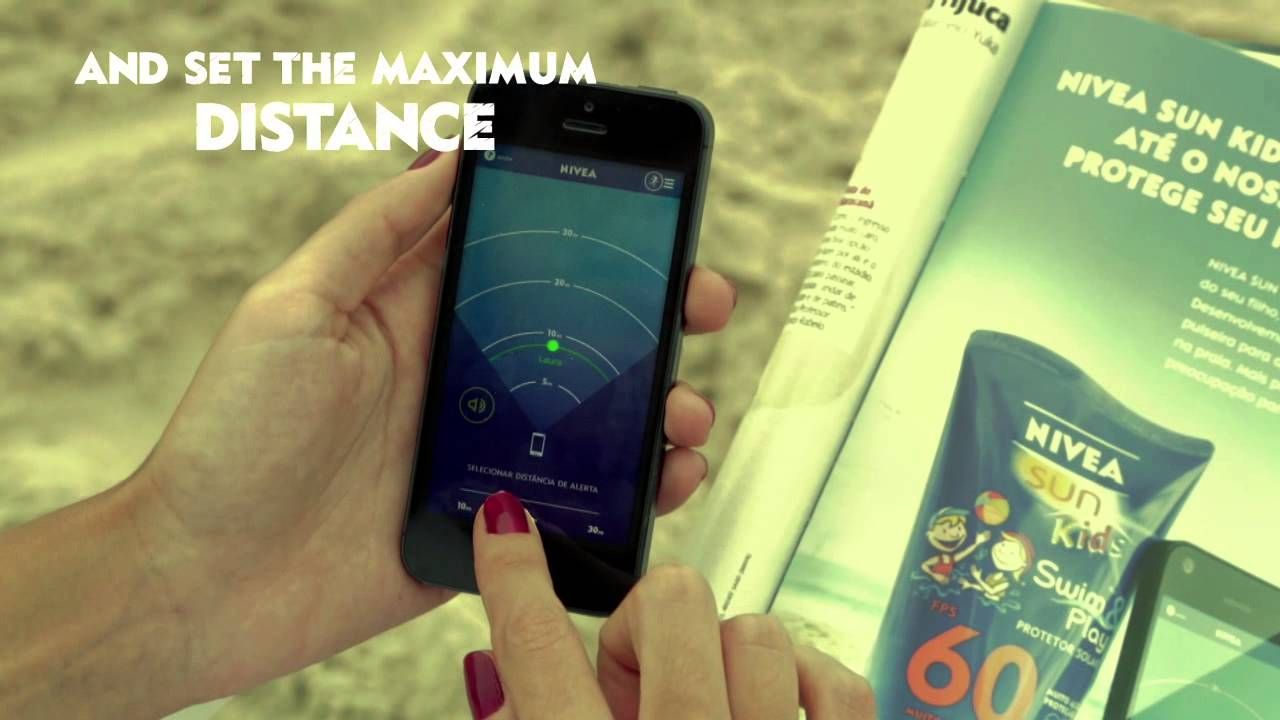
Example: Nivea included NFC chips in print ads that acted as a wearable bracelet. When synced with a mobile app, it helped parents track their children on the beach.


3. Voice-Activated Technology = Score: 4/10
Why It Fails:
While voice-activated technology is innovative, its application in print marketing is extremely niche. Asking your voice assistant for something based on a print ad doesn’t feel intuitive for most users.

- The Catch:
It’s more of a novelty than a functional marketing tool. The idea is interesting, but the real-world use cases are too limited to make it viable.

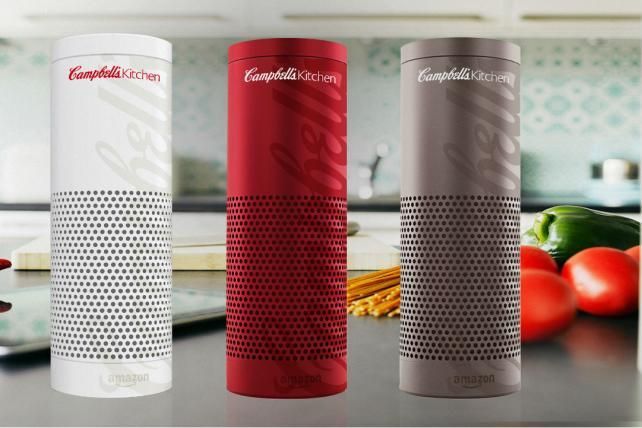
Example: Campbell’s Soup ran a print campaign with the call-to-action: “Ask Alexa for a recipe,” which would trigger an Amazon Alexa skill, giving users recipes featuring Campbell’s products.


4. Augmented Reality (AR) = Score: 5/10
Why It Fails:
AR offers a “wow” factor, but in print marketing, it often falls flat. People rarely want to use their phones to view digital overlays on print, and the technology requires apps or extra steps that create unnecessary friction.

- The Catch:
While it’s fun, AR is more of a gimmick than a practical tool. Without a strong, clear value proposition, it’s hard to justify using AR in print campaigns.

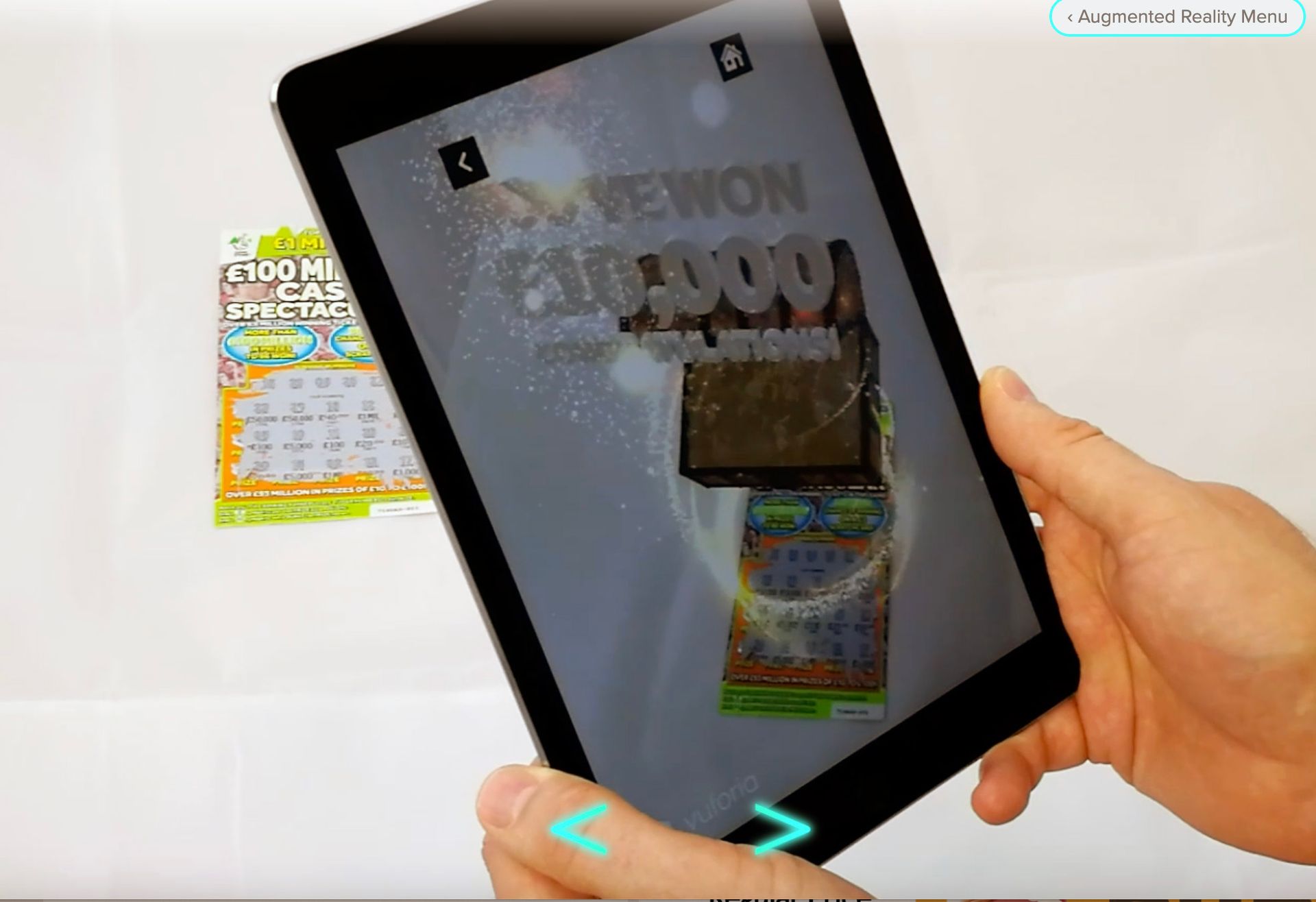
Example: The National Lottery used AR in print ads, allowing users to scan the page with their mobile device and see instant 3D animations that revealed if they had won a prize.


5. Interactive Business Cards = Score: 5/10

Why It Fails:
Business cards with QR codes or NFC capabilities seem like a neat idea but haven’t caught on in a big way. Most people prefer to exchange contact details digitally or look someone up on LinkedIn.

- The Catch:
They’re flashy but redundant in an age where digital networking is the norm. There’s little added value compared to traditional methods.

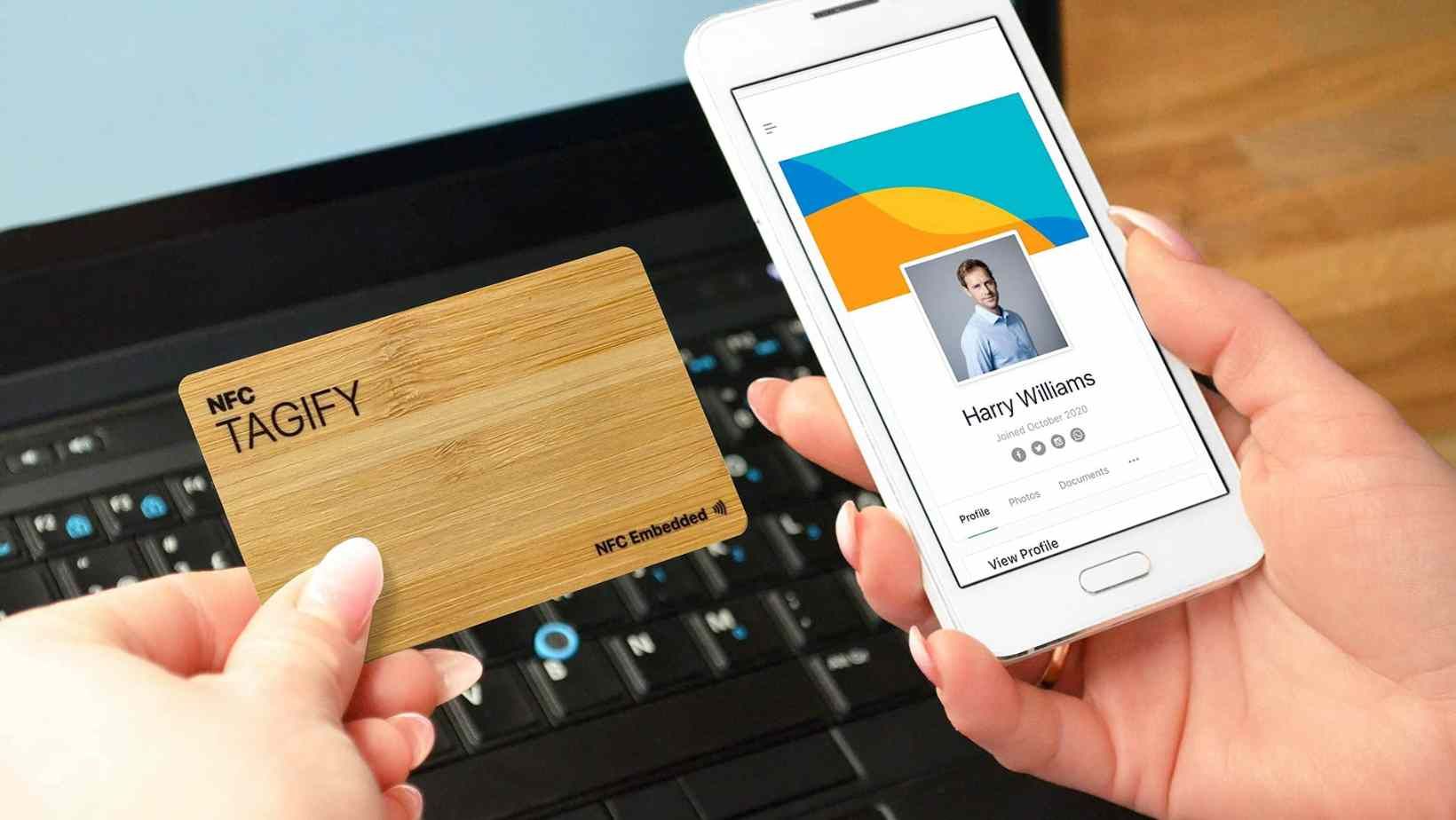
Example: Tagify created NFC-enabled business cards that, when tapped with a smartphone, could direct someone to a digital portfolio or LinkedIn profile instantly.


6. PURLs (Personalised URLs) = Score: 6/10

Why It Fails:
Personalised URLs were meant to offer a unique touch, but the reality is that most consumers won’t bother typing in a URL from print material. QR codes and memorable URLs have largely replaced the need for this extra step.

- The Catch:
PURLs feel overly complicated and unnecessary for most marketing campaigns. They work better in niche or high-end B2B settings but are too clunky for widespread use

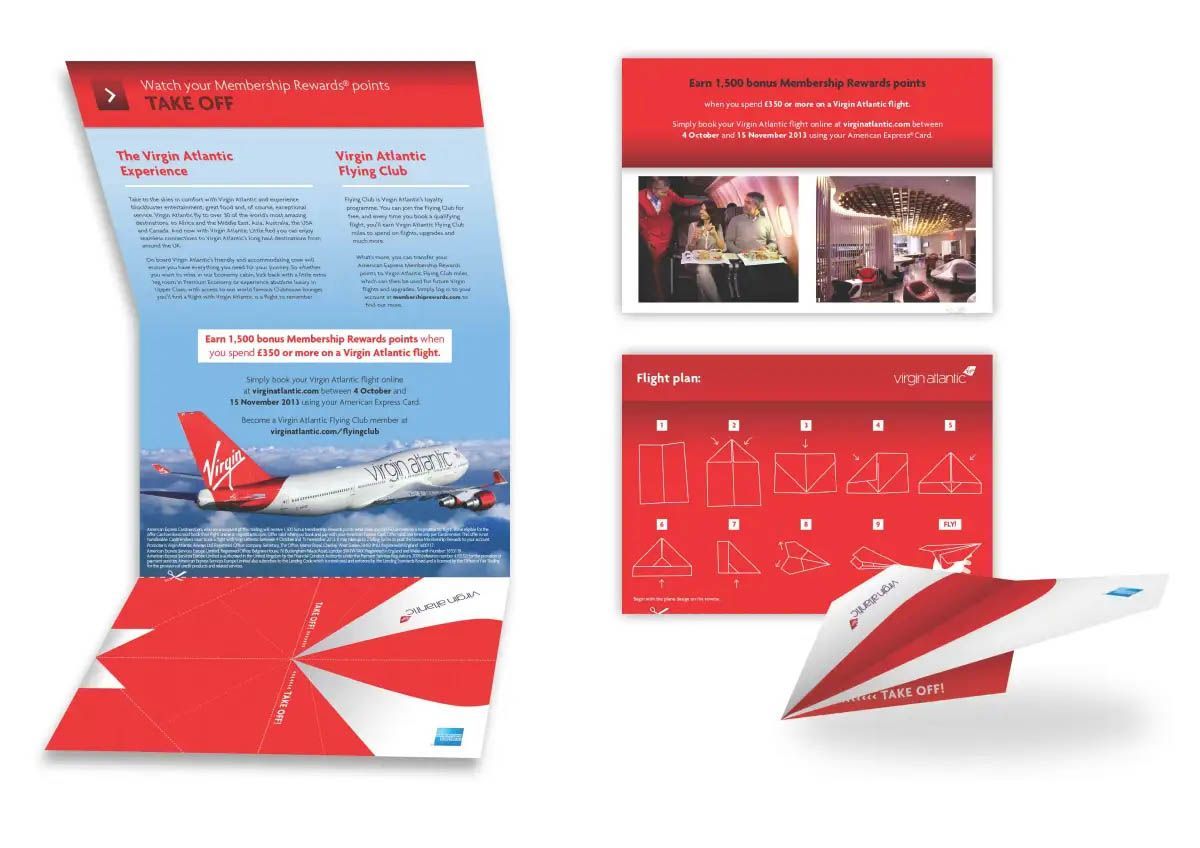
Example: Virgin Atlantic sent direct mail with personalised URLs for each recipient, leading them to a tailored web page with exclusive flight offers based on their travel preferences.


Choosing the Right Tools

In the world of print-linked digital marketing, it’s essential to choose tools that actually add value to your campaigns. Technologies like promo codes, social media handles, and QR codes have proven to be effective bridges between print and digital. On the other hand, tools like NFC, Bluetooth beacons, and voice-activated technology feel more like novelties, adding unnecessary complexity without offering real benefits.

When planning your print marketing efforts, focus on the tools that simplify engagement and deliver clear results. Avoid the ones that create more friction than they’re worth. The key to success is selecting the technologies that enhance the customer experience without overcomplicating the process.

We can help with the Good tech added to your print projects. 

Get in touch today to discuss!

November 20, 2025
If you're in need of high quality urgent printing, you are not alone. Autumn/ Winter in London is packed with launches, pop-ups, conferences, and campaigns. Deadlines tighten, artwork lands late, and plans change. You still need print that reflects well on your brand. That is where a calm, quality first, in house partner makes the difference. At Vizability Media Group, we keep production under one roof, run pre-flight artwork checks, and guide you on materials and finishes that meet the time and the budget. Below, you will find realistic timelines, smart shortcuts, and what to send us so we can get moving right away. Same day vs next day, and how to decide fast! Pick Same Day Turnaround when: Your event or activation is today or tomorrow morning. Quantities are modest, and formats are suited to digital presses or instant finishing. Artwork is press-ready, already proofed internally, and you can approve quickly. Pick Next Day Turnaround when: You can approve by mid-afternoon, and delivery or collection can happen tomorrow. You need higher quantities, special finishes, or stitching that add time. You want a little breathing room for a printed proof photo from our first sheet. Typical cut-off times: Same day print, artwork sign off by 11:00 to 12:00 for late afternoon or early evening collection. Next day print, artwork sign off by 15:00 to 16:00 for next business day collection or courier. For larger or complex jobs, call us early; we will map the fastest path. Artwork that helps us hit the clock: Supply print-ready PDF/X 1a or PDF/X 4; include 3 mm bleed and crop marks. Embed or outline fonts; keep images at 300 dpi at final size. Use CMYK, not RGB; include spot colours only if required. Provide a short note on the finish and orientation to avoid back and forth. If you are unsure, send what you have. Our pre-flight check catches common issues, and we will confirm the fastest fix :-) Realistic timelines by product Times below assume press-ready files and swift approvals. For very large quantities or special materials, we will advise the best alternative. Posters, A4 to A0: same day for short runs, often within 4 to 6 hours. Larger runs or outdoor stock, next day. For direct ordering, see our poster printing in London. Flyers and handouts: same day for digital runs up to a few thousand; next day for heavier stocks or laminates. Folded flyers may move to next day due to crease and fold time. Roller banners: same day for single units and small batches if artwork lands by noon; next day for larger sets. We assemble in house to control finish. Brochures and booklets: next day for short runs with staple binding; same day only for very small page counts and quantities. Perfect binding usually needs 2 to 3 days. Name badges: same day available, including data merges from CSV; we can supply lanyards and holders. For speed, use our london fast name badge printing service. Small signage and foam board: same day for core sizes; next day for contour cutting or special finishes. Vinyl cut or mounted pieces may extend slightly. If your list spans multiple items, we can stagger output, releasing must have pieces first, then the rest on a rolling schedule. How pre flight artwork review protects speed and quality Rushing without checks costs time. Our pre-flight process verifies bleed, resolution, colour mode, page size, layers, and font handling before we press go. If we spot a risk, we share a quick fix, correct it if you approve, or suggest a safe alternative that meets the deadline. We also run a first print check, share a photo or a quick video if you need reassurance, and watch for issues like cracking on heavy inks at folds. This prevents reprints and avoids overnight delays. For local teams under pressure, our artwork preflight service in Hammersmith outlines what we look for and how to submit files quickly. Cost control tips for rush jobs Time and budget can work together if you make a few smart swaps. Paper swaps: move from a 450 gsm board to a 350 or 300 gsm that creases cleaner in a rush, or switch silk to uncoated to avoid laminate lead times. Finish alternatives: skip spot UV or foils on a rush, and use a silk with matt laminate, or go unlaminated for flyers that need to land today. Gang runs and batching: combine multiple versions on one sheet to reduce set-up time, or split a big run into a same-day partial plus a next-day balance. Format tweaks: shaving a few millimetres to fit standard SRA sizes can speed trimming and reduce waste. Colour management: Stick to CMYK builds rather than special colours unless brand rules are strict. This keeps you on a fast digital path. If you tell us the purpose of the piece, we will recommend the best material for the job, and the most efficient route to press. Collection and delivery across London zones You can collect from us, or book a courier. We support: Same-day collection from our Fulham and Hammersmith locations by arrangement. Local courier to Zones 1 to 3 with timed windows where possible. Late-day or evening bike or van delivery for urgent drop-offs. Next day, nationwide couriers for jobs leaving London. When time is tight, collection is the fastest. For delivery, share access details and contact numbers. We label boxes clearly and can split drops if needed. Quick answers to common questions Where do I print if I do not have a printer in the UK? Use a trusted local print partner with in house capability. Walk ups at copy hubs can work for simple documents, but for branded work, same day quality needs proper presses and checks. We help visitors and teams on the road every week. What is the best online printing service? The best service is the one that balances speed, quality, and real human checks. If you need speed plus premium finish in London, an on the ground partner beats a remote online only portal, because artwork issues get solved in minutes, not days. If you have time, online aggregators can be fine for standard items. For urgent printing london, we keep production in house. Can I print documents at supermarkets or the post office? Some supermarkets have kiosks for photos or simple documents, and some post offices offer copying. They are useful for one off pages. For colour critical brand materials, large formats, or anything client facing, use a specialist. Why are prints so expensive in London? Costs reflect high-quality materials, skilled operators, city logistics, and the real price of rush work. Urgent jobs require set up time outside standard queues, premium couriers, and extended staffing. A good partner offsets this with efficient imposition, paper choices, and batching, so you pay for impact, not waste. How can I spend less on printing costs? Simplify finishes, choose standard sizes, use stocks that trim without laminate, and approve proofs quickly. Share your intended use so we can suggest equivalents that look the part but run faster. Ordering a partial same day, with the balance next day, often saves significantly. Why choose VMG for fast, premium results In-house presses and finishing for speed and control. Pre flight checks that remove risk before it slows you down. First print review, with quick photo proofs for peace of mind. Practical guidance on stocks and finishes that fit your timeline. Flexible logistics, from late collections to multi site drops. If you need posters in london today, brochures printing london this week, or last minute badges for a conference, we will map the fastest, safest route and keep you updated at every step. Ready to move Send your files and the deadline. Tell us where it needs to be and how it will be used. We will confirm timeline, materials, and cost, then get to work. For urgent bookings, call us now or use the enquiry form on our site. If it has to be today, say so in the subject line. We will prioritise and respond quickly.
By James Winzar February 28, 2025
Startups that incorporate print into their strategy cut through digital noise, build trust faster, and create lasting brand impressions. And when done right, it’s more affordable and measurable than most founders think. Let’s break down exactly how print marketing solves some of the biggest pain points startups face today. 1. Struggling to get noticed? Print grabs attention like no other Every startup fights the same battle: getting seen in an oversaturated market. You’re pouring resources into, Google Ads, and social media, only to be drowned out by established competitors with bigger budgets. How print solves this Unlike digital ads, which can be scrolled past or blocked, a well-designed business card, flyer, or brochure demands attention. People physically engage with print in a way they don’t with digital- it’s tangible, it’s real, and it sticks around longer. Instead of relying solely on online ads, leave strategic print materials in coffee shops, co-working spaces, and industry events. When done right, this kind of guerrilla marketing creates real-world touchpoints with your audience. 2. Digital ad costs are skyrocketing & print is a smarter investment Google and Facebook ads are becoming increasingly expensive. The cost-per-click for competitive keywords has soared, meaning startups are paying more but seeing fewer conversions. How print solves this Print has a longer shelf life and requires just a one-time investment. A potential customer might ignore an email ad in seconds, but a high-quality printed piece sits on their desk for weeks. For example, a startup offering a subscription service could send beautifully designed postcards with a QR code linking to an exclusive first-month discount. That piece of print isn’t just an ad, it’s an invitation. ROI. Spending £500 on Google Ads might get you 100 website visits, but £500 on premium flyers or brochures could get your brand in front of over 1,000 potential customers in a far more memorable way. 3. Lack of trust? Print instantly elevates credibility Startups often struggle with trust, why should customers take a chance on an unknown brand? A website is great, but anyone can create a basic site. How print solves this Physical marketing materials signal legitimacy. A well-designed business card, branded letterhead, or premium packaging gives the impression that your business is established, credible, and worth paying attention to. A SaaS startup pitching investors will look far more professional with a printed pitch deck instead of just a digital slideshow. It demonstrates commitment and sets you apart. Always carry high-quality business cards. Not cheap, flimsy ones, the kind that feel premium. The subtle impact of a good texture, thick cardstock, or embossed logo makes a lasting impression. 4. No one reads your emails? Direct mail actually gets opened If you’re like most startups, you’re relying on email marketing. But here’s the brutal truth: most of your emails never get opened. Inboxes are overloaded, spam filters are aggressive, and cold emails rarely get a response. How print solves this Physical mail has an open rate of over 90 percent, compared to email’s average open rate of 20-30 percent. That’s a huge difference. In a world where digital messages are ignored, a beautifully designed direct mail piece stands out. A startup selling a high-end product could send a personalised, well-designed direct mail piece to select leads. Unlike a generic email, a physical invitation, mini brochure, or handwritten note demands attention. Combine print with digital for better results. A postcard with a QR code linking to a personalised video message makes a lasting impression. 5. Events and networking are still king. Print makes you unforgettable If you’re attending industry events, conferences, or networking meetups, you know the challenge: standing out among hundreds of other businesses. How print solves this Everyone collects business cards at events, but a creative, unexpected print piece makes you stick in their minds. Instead of just a business card, a creative agency could hand out mini portfolio booklets showcasing their best work. A fintech startup could provide pocket-sized industry trend reports that subtly promote their expertise. Think beyond business cards. A well-designed brochure, sticker, or branded notebook keeps your startup on people’s desks, not forgotten in a pile of emails. 6. Concerned about sustainability? Modern print is eco-friendly One hesitation startups have about print marketing is its environmental impact. But in 2025, sustainable printing is more accessible than ever. How print solves this • Recycled materials • Eco-friendly inks instead of chemical-heavy traditional inks • Print-on-demand to minimise waste A green tech startup could print brochures on 100 percent recycled paper with a call-to-action about sustainability, reinforcing their brand values. Promote your sustainability efforts. Include a note on your print materials about the eco-friendly processes used, customers appreciate brands that make responsible choices. Final thought: Print marketing isn’t old-school, it’s just smart If you’re a startup, you can’t afford to blend in. While every other new business is battling for digital ad space, print marketing offers a cost-effective, high-impact way to cut through the noise, build trust, and drive real-world engagement. Here’s your startup print playbook for 2025: • Premium business cards to build credibility • Creative print giveaways to make you unforgettable at events • Direct mail campaigns with personalised QR codes for higher engagement • Tactile brochures or mini lookbooks that customers actually keep • Eco-friendly printing options to reinforce sustainability values Ready to make your startup stand out? At VMG Fulham, London, we help startups turn print marketing into a growth engine. Whether you need high-quality business cards, creative direct mail, or sustainable print solutions, we’ve got you covered. Get in touch today to explore print strategies that actually drive results.
By James Winzar August 9, 2024
How to Make Eco-Friendly Printing at No Extra Cost
More Posts